By RV AVENUE
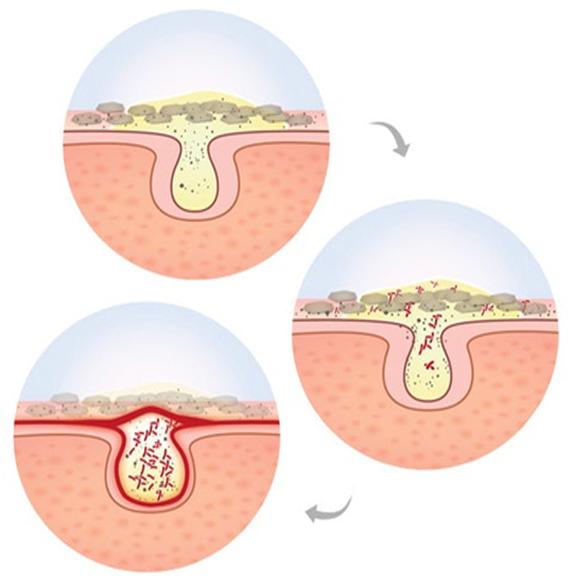
Acne, also known as acne vulgaris. It is a skin condition that occurs when hair follicles are blocked with dead skin cells, bacteria, and oil (sebum). The blocked follicles cause blemishes on the skin, including pimples, blackheads, whiteheads, and cysts.
Acne is most common among teenagers, though it affects people of all ages.
Effective treatments are available, but acne can be persistent. The pimples and bumps heal slowly, and when one begins to go away, others seem to crop up.
Depending on its severity, it can cause emotional distress and scar the skin. The earlier you start treatment, the lower your risk of such problems.
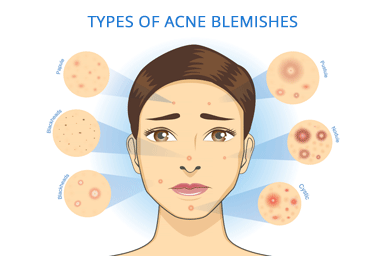
The symptoms of acne are:
Acne signs and symptoms vary depending on the severity of your condition:
- Tiny white bumps under the skin that have no obvious opening, known as whiteheads (closed plugged pores)
- Dark spots with open pores at the center, known as blackheads (open plugged pores)
- Red swellings or lumps (known as papules) that are visibly filled with pus, small red and tender bumps.
- Persistent, recurrent red spots or swelling on the skin, generally known as pimples (pustules); the swelling may become inflamed and fill with pus. They typically appear on the face, chest, shoulders, neck, or upper portion of the back.
- Large, solid, painful lumps beneath the surface of the skin, known as nodules.
- Painful, pus-filled lumps beneath the surface of the skin, known as cystic lesions.